Developing a sustainable model of hydroponic arnica cultivation in a protected environment, to conserve natural populations and provide standardised plant material.
Learn moreArnica, also known as mountain arnica or leopard’s bane (Arnica montana), is a strictly protected medicinal plant of exceptional pharmacological value, whose natural populations are threatened by habitat loss, overharvesting and climate change. The aim of this project is to introduce arnica into hydroponic cultivation in a protected environment in order to develop a sustainable cultivation model that will simultaneously meet market demand for standardised raw material and reduce the need for uncontrolled harvesting of plants from natural habitats, thereby contributing to the conservation of natural resources.
The project includes sampling local populations of Arnica montana at several locations in the Republic of Croatia, raising seedlings under controlled conditions in a growth chamber, and monitoring plant growth and development in different types of hydroponic systems using nutrient solutions of varying composition. During the research, morphological analyses and analyses of the chemical profile of the drug will be carried out, with the aim of determining the quality of the plant material in relation to the growing conditions.
The results obtained will serve as a basis for developing guidelines for efficient, standardised and sustainable arnica cultivation using modern hydroponic techniques, applicable for both scientific and commercial purposes.
To investigate the possibilities of cultivating arnica in hydroponic systems as an innovative and sustainable approach to growing this strictly protected medicinal species.
Our project collaborator, Associate Professor Sanja Radman, PhD, took part on 30 September in the programme “Klimatski izazov” (Climate Challenge) on HRT Radio 1.
Alongside topics of sustainable agriculture and climate change, she also spoke about the ARNIHID project — an innovative approach to cultivating the strictly protected species Arnica montana using hydroponic techniques.
What does arnica look like in hydroponic cultivation and why are we exploring this approach? Tune in to the programme!
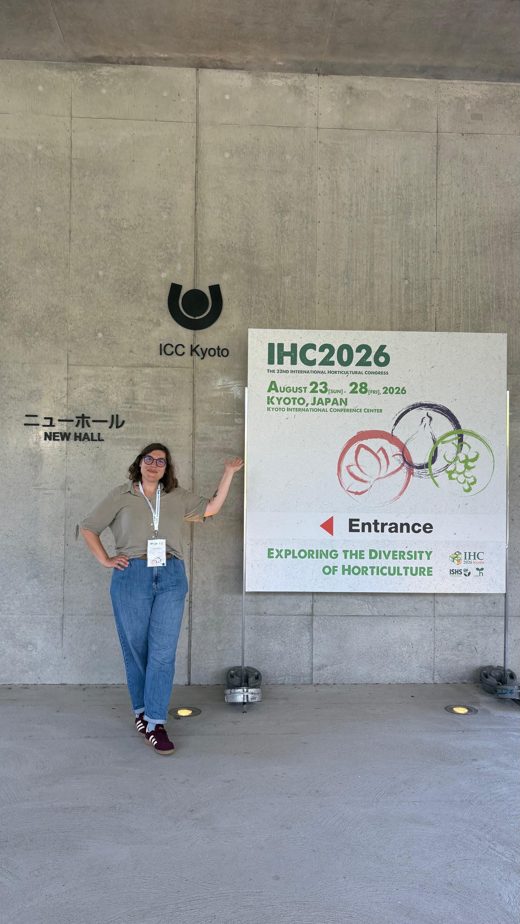
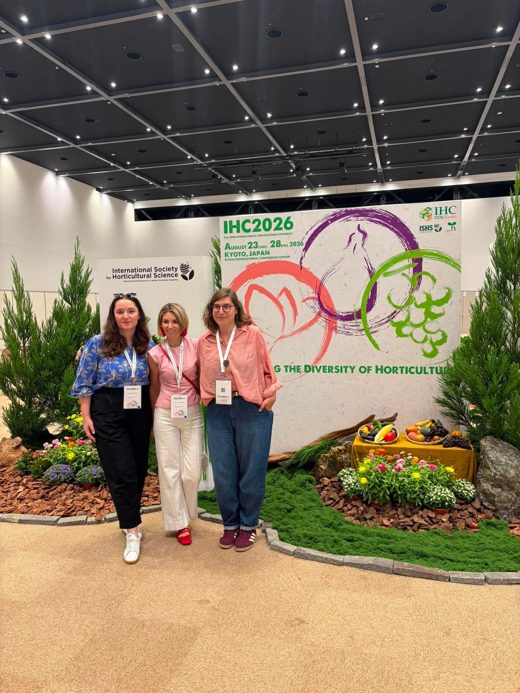
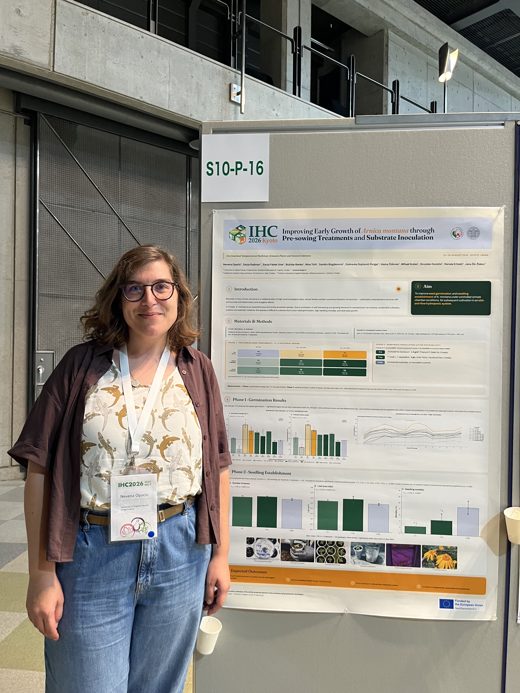
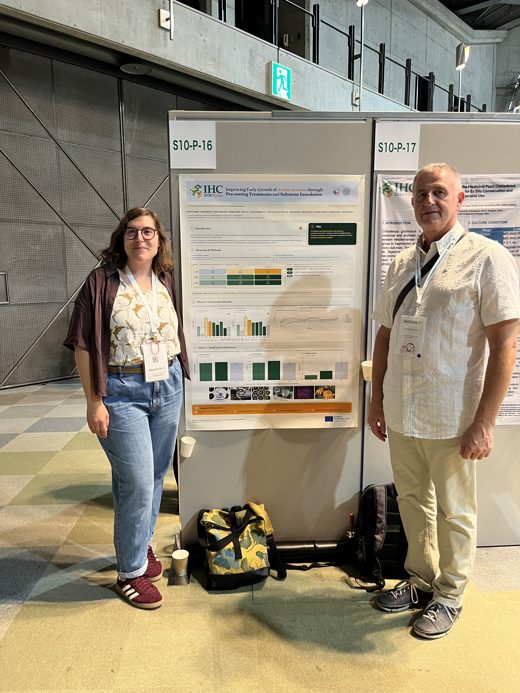
From the Croatian mountains all the way to Japan — the research results on Arnica montana were presented at the 32nd International Horticultural Congress (IHC2026) in Kyoto. Nevena Opačić presented the results obtained within the project and exchanged experiences and ideas with researchers from around the world.
Taking part in an international congress is not only an opportunity to present results, but also to network, exchange knowledge and open doors to future collaborations. From studying arnica’s natural populations in Croatia, through seed collection and cultivation research, to international knowledge exchange, the ARNIHID project connects local plant resources with the global scientific community. Arnica is travelling the world — and so are our knowledge, results and ideas!
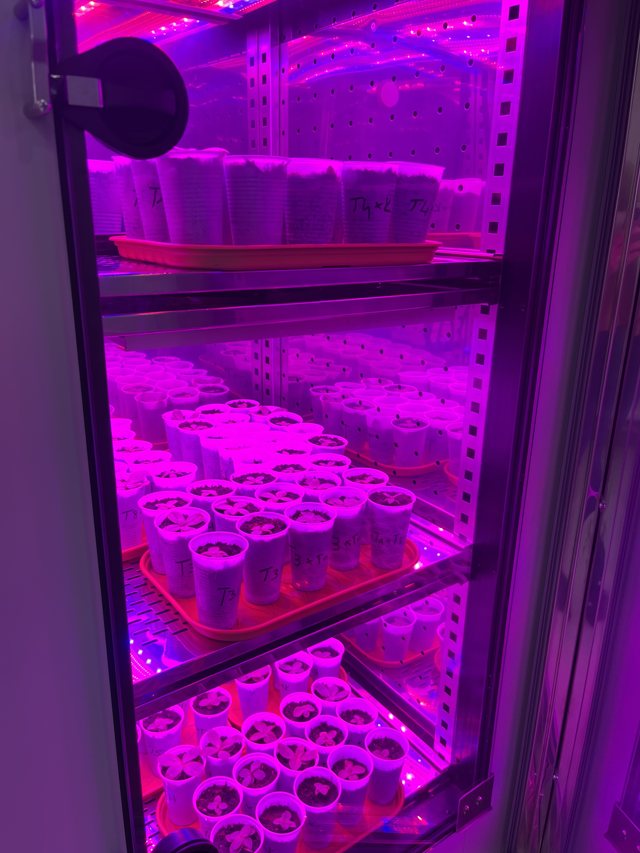
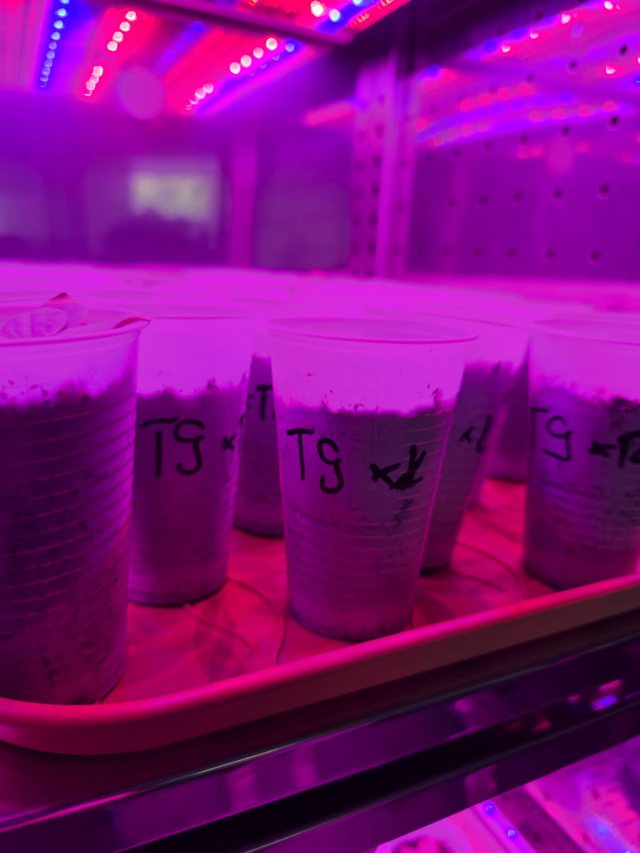
Our arnica plants made sure to get the perfect tan this summer! But it is not about sunbathing — the pink-red light comes from the LED lighting in the growth chamber, where the plants grow under strictly controlled conditions. Curious why we grow the plants under LED lamps and what we achieve by doing so? Follow us — the answer is coming soon!
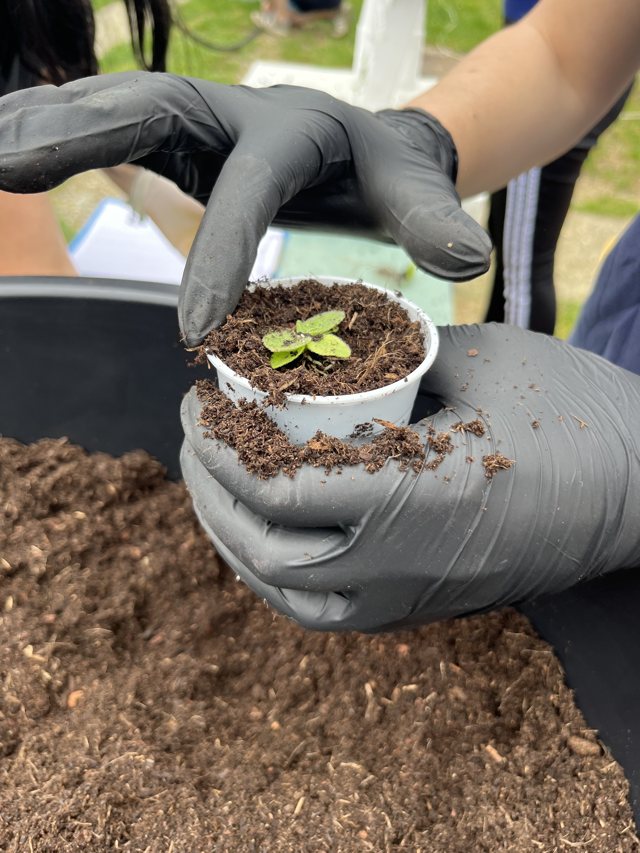
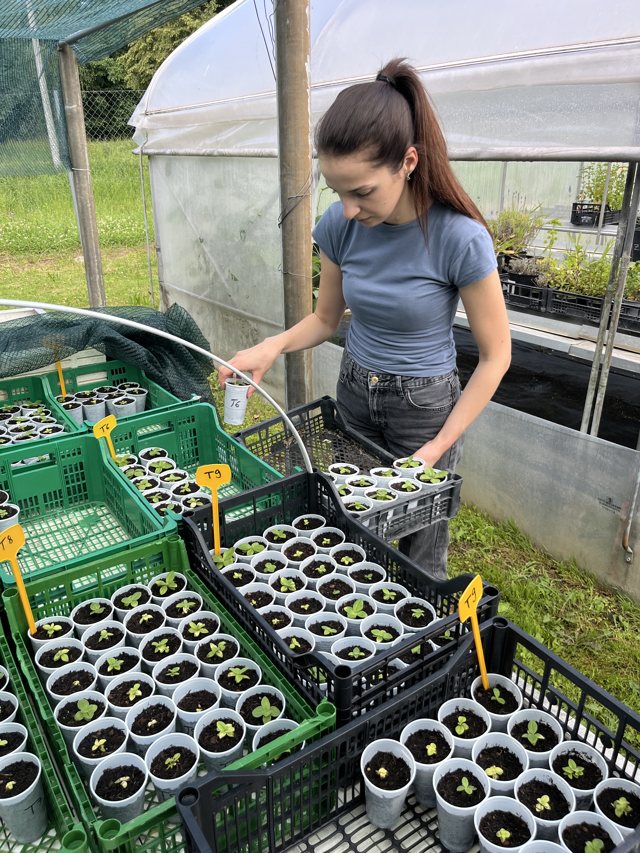
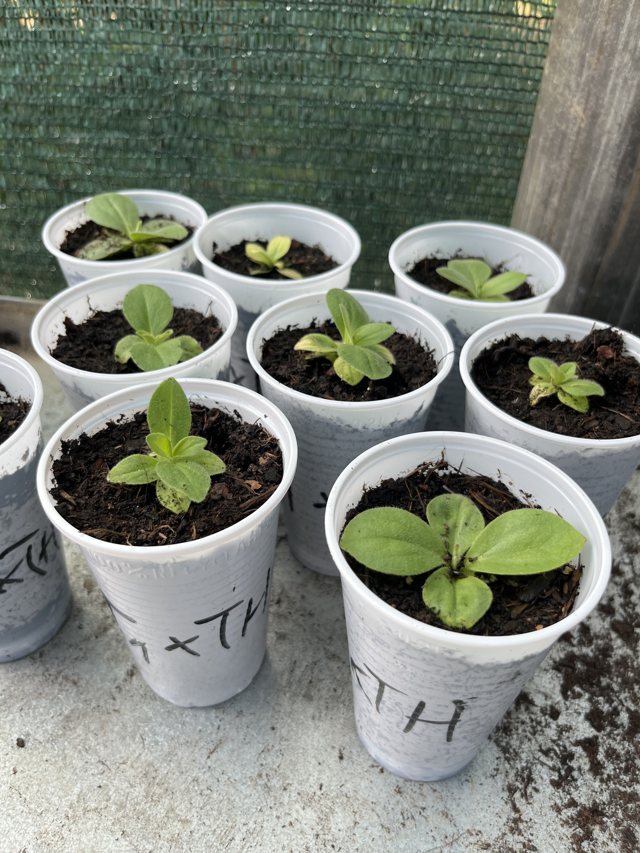
Although summer holidays have already begun for some, there is no break on the ARNIHID project — the arnica keeps growing and we are continuing our activities at full intensity. These days we successfully carried out pricking out (transplanting) of the young plants to give them more room for further growth and development. In parallel, we conducted a morphological analysis, during which we monitor the plants’ progress and record their key morphological traits. Alongside our regular activities, we also treated the plants with fungi of the genus Trichoderma in order to reduce seedling mortality. We are actively monitoring the growth of the arnica and look forward to sharing new results with you soon!
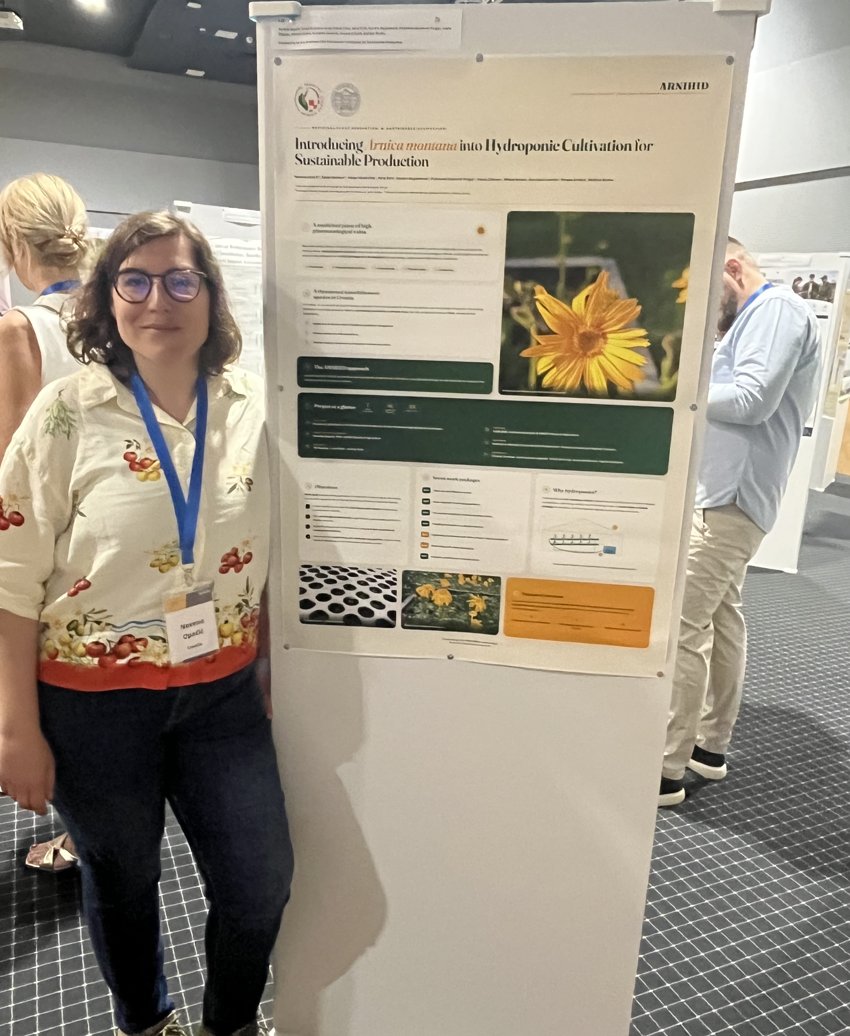
At the 61st Croatian and 21st International Symposium of Agronomists, held on the island of Brač from 31 May to 5 June 2026, the ARNIHID project was presented as a poster.
The symposium was attended by staff of the Department of Vegetable Crops, Nevena Opačić, PhD, and Associate Professor Sanja Radman, PhD. Participants showed great interest in the project, its objectives and results to date.
Arnica is soon heading to the land of the rising sun — stay tuned!
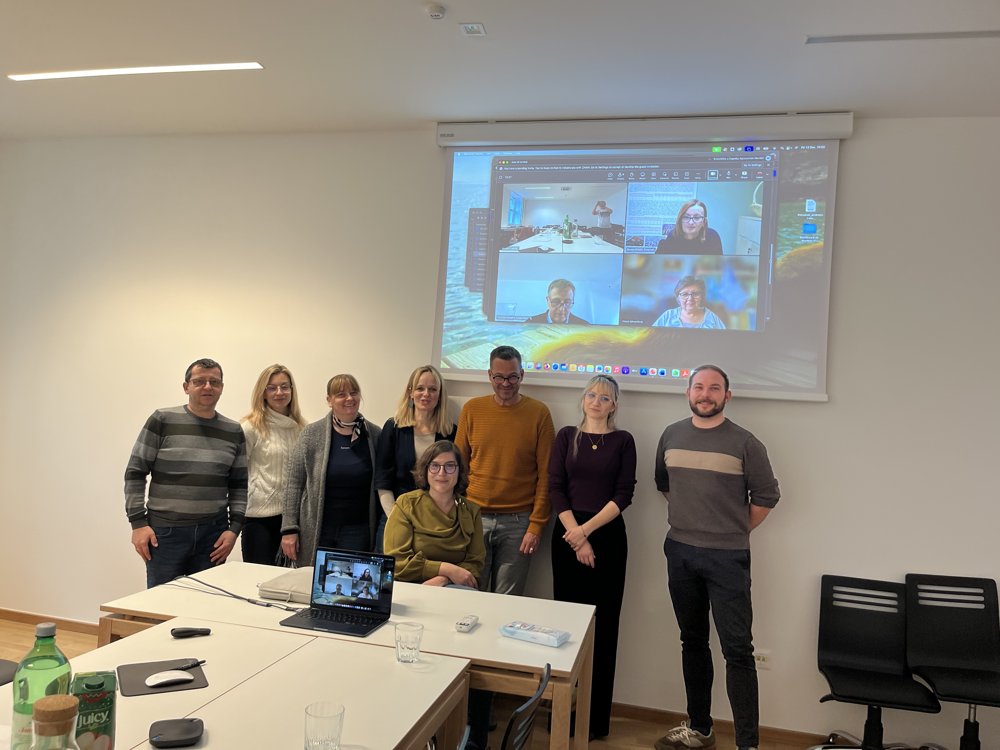
The project “Innovative cultivation of the strictly protected species Arnica montana using hydroponic techniques (ARNIHID)” is led by Nevena Opačić, together with experts in the hydroponic cultivation of vegetables and medicinal plants: Sanja Radman, Sanja Fabek Uher, Božidar Benko and Nina Toth.
The team’s work is further strengthened by botanists Sandro Bogdanović and Dubravka Dujmović Purgar and ornamental-plant specialists Vesna Židovec and Mihael Kušen. The project also brings together collaborators from agricultural and scientific institutions: Renata Erhatić (Križevci University of Applied Sciences) and Gvozden Dumičić (Institute for Adriatic Crops and Karst Reclamation, Split).
By combining knowledge from agronomy, innovative vegetable-growing technologies, medicinal, aromatic and ornamental plants, and botany, we are developing sustainable solutions for the cultivation and valorisation of medicinal plants.
The ARNIHID project has been launched. We will regularly publish news here about the progress of the research, fieldwork and results.
Project leader: Nevena Opačić, PhD, Senior assistant
Email: nopacic@agr.hr
Institution: University of Zagreb Faculty of Agriculture
Address: Svetošimunska cesta 25, 10000 Zagreb, Croatia